What is the EUDR, and who has to do what?
The EU Deforestation Regulation says that certain products may only be sold in the European Union if they can be traced back to the plot of land where they grew, and if that land was not deforested after 31 December 2020. Proving that is not one company’s job alone. The obligation starts with the importer, but the answer lives on the farm, so the question travels down the supply chain and the evidence travels back up.
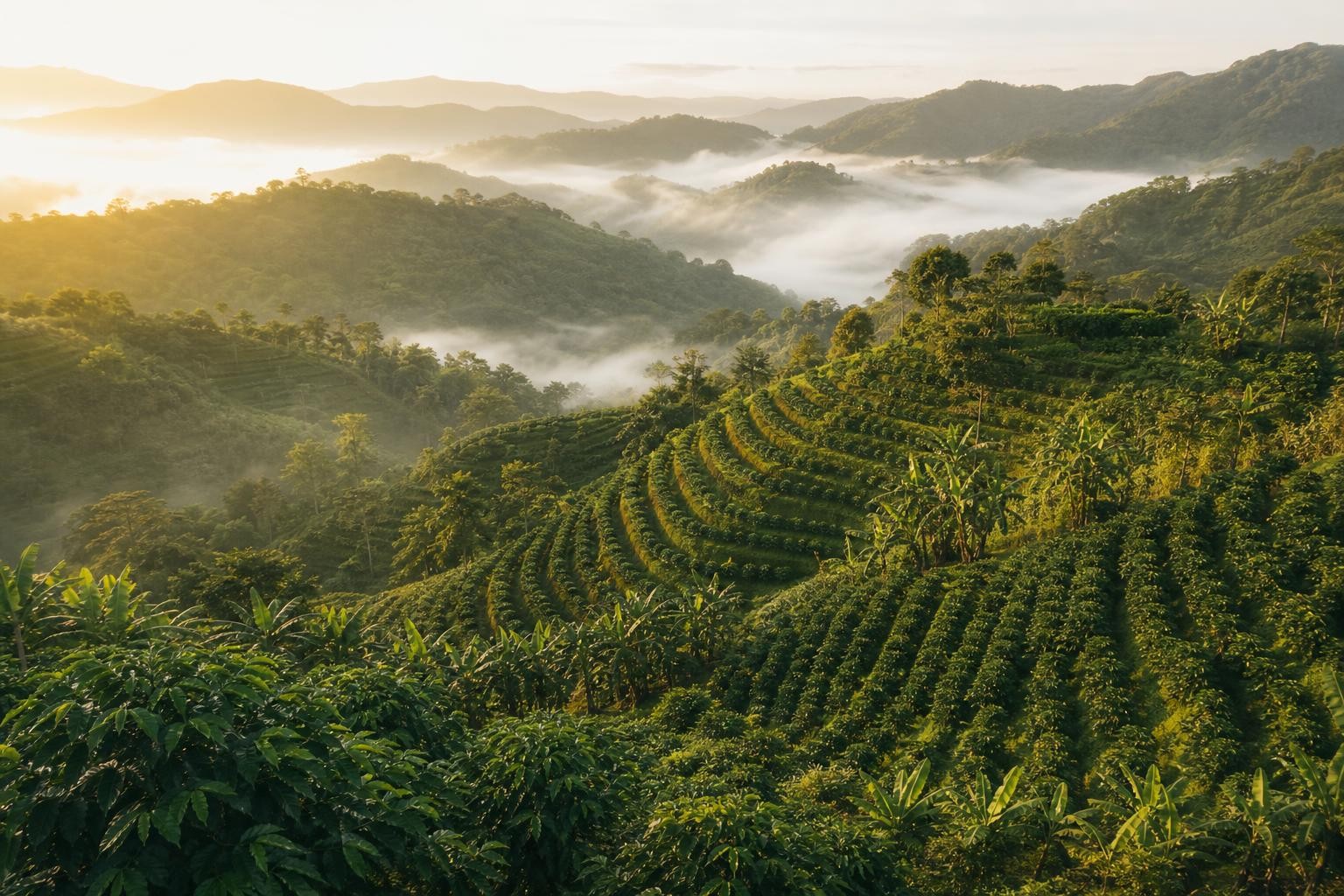
Three roles, one chain
Almost everyone affected by the regulation holds one of three roles. Each one has a different job.
Operator
the importer
First places the goods on the EU market, or exports them from it.
Carries the full legal obligation: gather the evidence, assess the risk of deforestation, and file a due diligence statement before the goods are sold.
Supplier
the exporter or trader
Sits between the farms and the EU buyer, usually in the producing country.
Holds what the importer needs: which plots the goods came from, and the documents showing production was legal. Passes the request on when a plot is still missing.
Farmer
the producer
Grows or harvests the commodity on the plot itself.
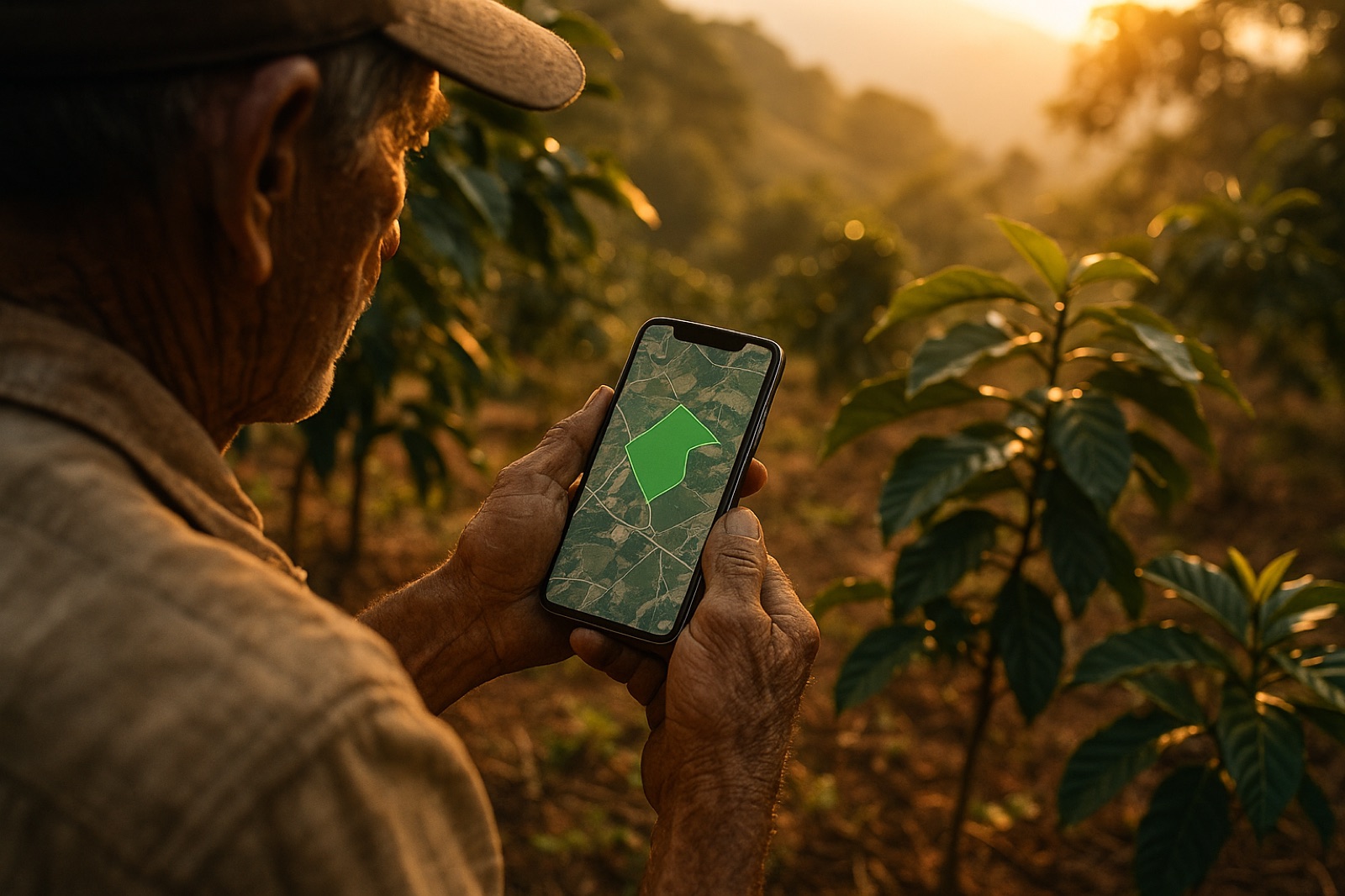
Provides the one thing nobody further up the chain can supply: the location of the plot where the crop actually grew, as GPS coordinates or a mapped boundary.
Which products are covered
Seven raw commodities are covered, and so is a long list of goods made from them: chocolate, furniture, paper, tyres and leather among others. A product still counts when it looks finished and far removed from a farm.
- Coffee
- Cocoa
- Timber
- Rubber
- Soy
- Palm oil
- Cattle
What the evidence has to show
Where it grew
The geolocation of every plot the goods came from. A point for small plots, a mapped boundary for larger ones. This is the part that most often holds a shipment up.
That it was legal
Evidence that production followed the laws of the country of origin, covering land use, environment, labour and trade.
A filed statement
The importer files a due diligence statement in the EU information system, TRACES. The system returns a reference number that travels onward with the goods.
When it applies
- 30 December 2026
- Large and medium operators and traders
- 30 June 2027
- Micro and small enterprises
Whatever the deadline, the cut-off date for deforestation stays 31 December 2020. These dates have moved before, so they are worth checking against the official sources.
Where Spureon fits in
Spureon carries the request down the chain and the evidence back up. The importer sends a request as a link. The exporter answers from a library of plots built once and reused for every buyer after that. Where a plot is missing, the farmer records it on a phone, in their own language, and the recording works without a signal. Nobody further down the chain needs an account.
Start free
This page is guidance, not legal advice. Check the official sources before relying on a date or a detail.